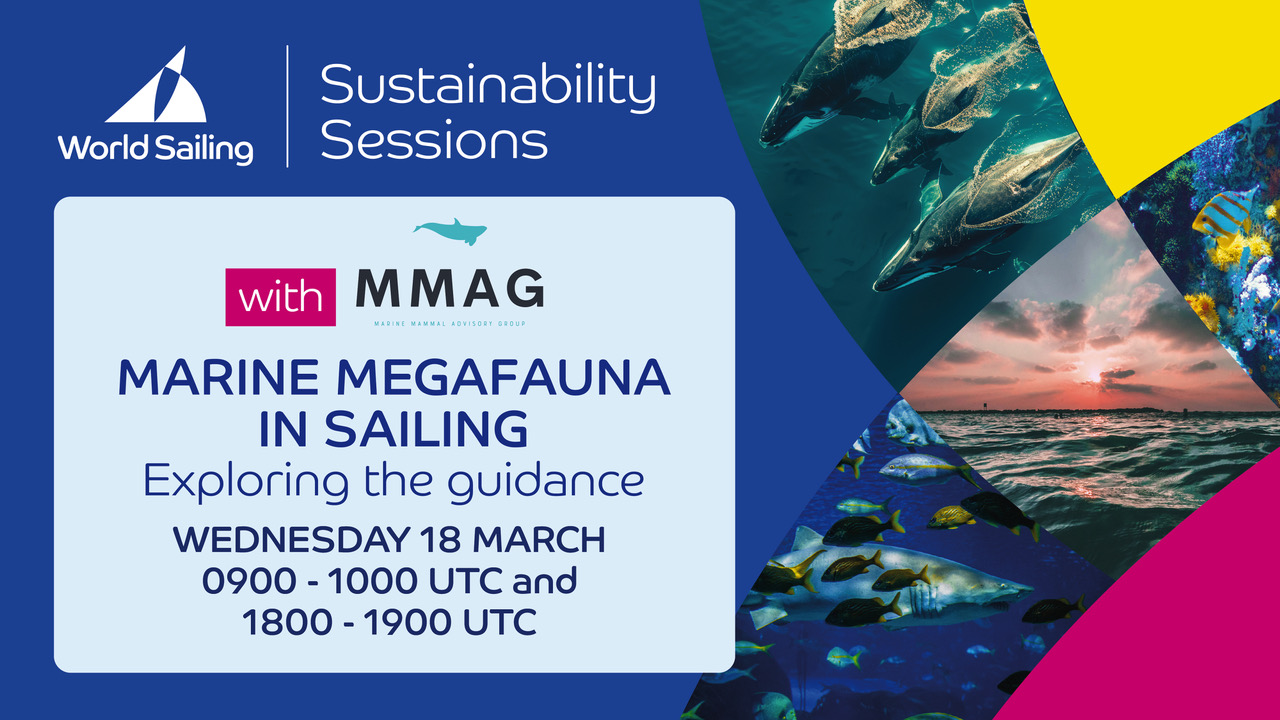
World Sailing Marine Megafauna Guidelines – CSA Safety Rules
The Caribbean is one of the world’s most important breeding and migration regions for whales and other marine megafauna. Every season, sailors across the region share stories of unforgettable encounters with humpback whales, dolphins, and other protected species — including multiple whale sightings reported directly on the race course during Antigua Sailing Week 2025.
These moments are part of what makes sailing in the Caribbean so special. They also underline why awareness, communication, and reporting are essential to protecting marine biodiversity and reducing the risk of vessel strikes.
To support sailors, events, and organizers worldwide, World Sailing and the Marine Mammal Advisory Group (MMAG) have launched the Marine Megafauna in Sailing Guidelines — a comprehensive, practical framework designed to help the sailing community better understand and manage the risks associated with marine wildlife interactions.
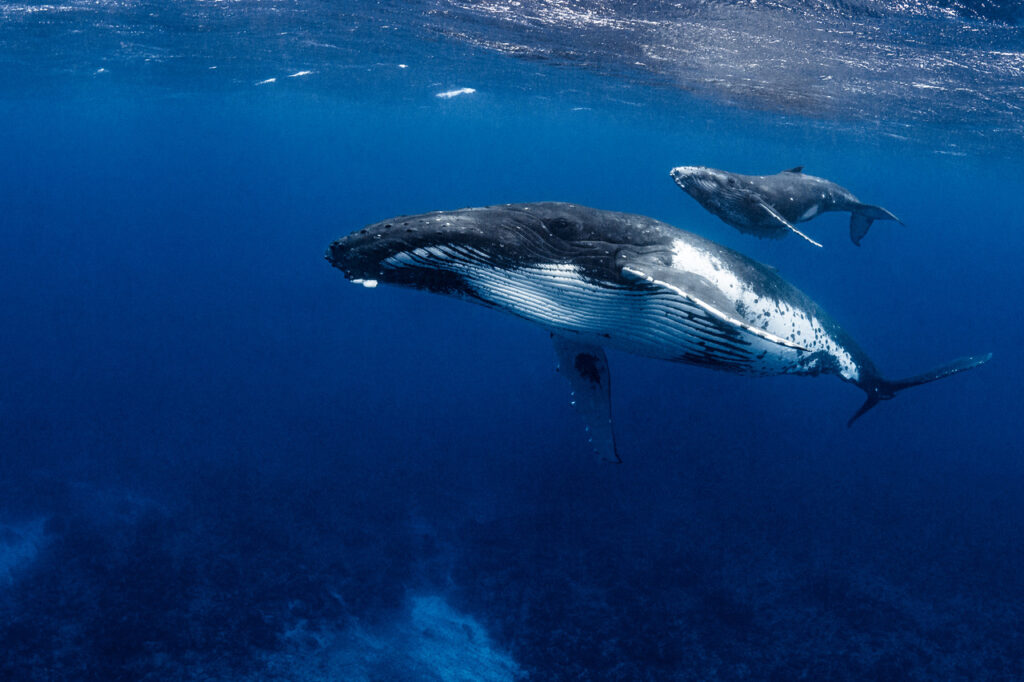
Courtesy Ocean Image Bank – Hannes Klostermann
Why This Matters
Data collected through MMAG’s Marine Strike Log shows that approximately half of reported vessel strikes result in injury or death to the animal, and often cause damage to vessels as well. In busy sailing regions like the Caribbean, proactive planning and real-time awareness can make a measurable difference.
These guidelines go beyond simple avoidance advice. They provide a blueprint for integrating environmental responsibility, data, and modern technology into both competitive sailing and recreational boating. The framework is built around MMAG’s six-pillar strategy: sourcing and sharing information, risk assessment, live reporting, technical solutions, education and outreach, and collaboration.
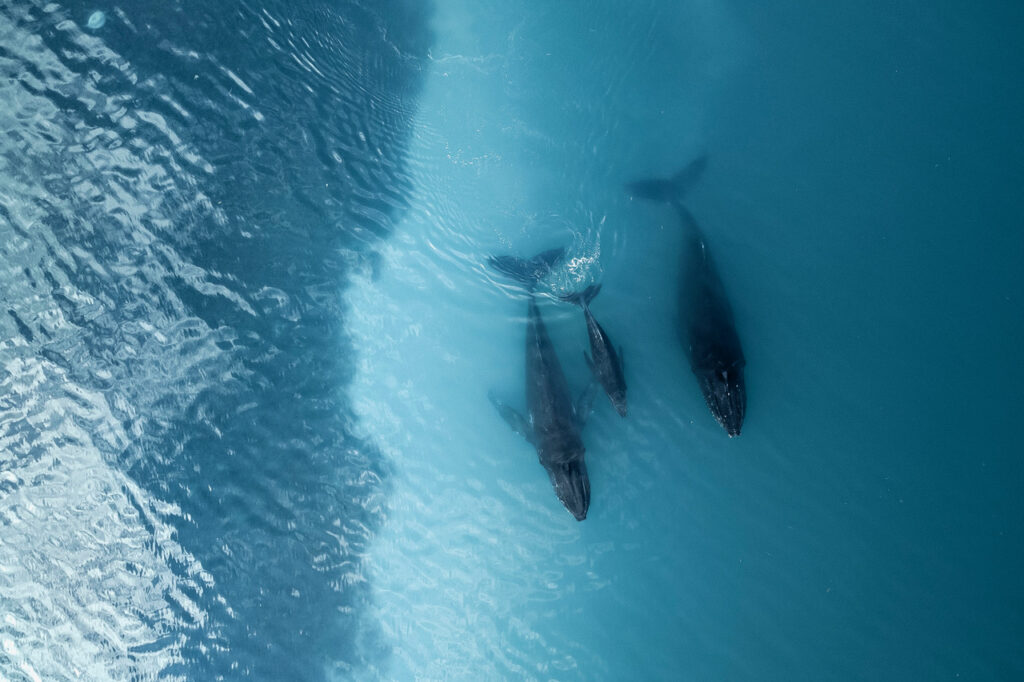
Courtesy Ocean Image Bank – Emilie Ledwidge
Awareness, Reporting, and Communication Save Lives
A key message for Caribbean sailors and events is this: every report counts.
- Past collisions or encounters can be reported anonymously via MMAG’s Marine Strike Survey.
- Live whale sightings or strikes should be reported immediately using the Whale Alert App — a free app that all sailors, race organizers, and support crews are strongly encouraged to download and have ready on board.
- Sailors can also report live sightings and encounters directly from Adrena and Expedition navigation software with the Hazard reporting function that also syncs directly to Whale Alert.
This data is critical. It allows MMAG and partner scientists to develop risk mitigation strategies, routing assessments, and event-specific recommendations, particularly in regions where whales are known to congregate, breed, or migrate.
As MMAG co-founder Damian Foxall notes, every sailor can act as a citizen scientist. Simple reporting helps shape safer sailing for future events and generations.
What Events and Organizers Should Do Now
The guidelines encourage events to develop a Nature Action Plan — a structured approach to identifying biodiversity risks, setting protocols, and reviewing outcomes. MMAG provides a customizable Nature Action Plan template to support this process, included in the guidelines.
The document also includes practical case studies from major international events such as The Ocean Race, IMOCA, Transat CIC, and the E1 Series, highlighting measures that can be adapted for Caribbean regattas of all sizes. These include adjusting race courses when necessary, using observer and reporting networks, and deploying detection technologies where appropriate.
Importantly, the guidelines emphasize that there is no single “perfect solution.” Effective biodiversity protection relies on planning, communication, local knowledge, and coordinated action.
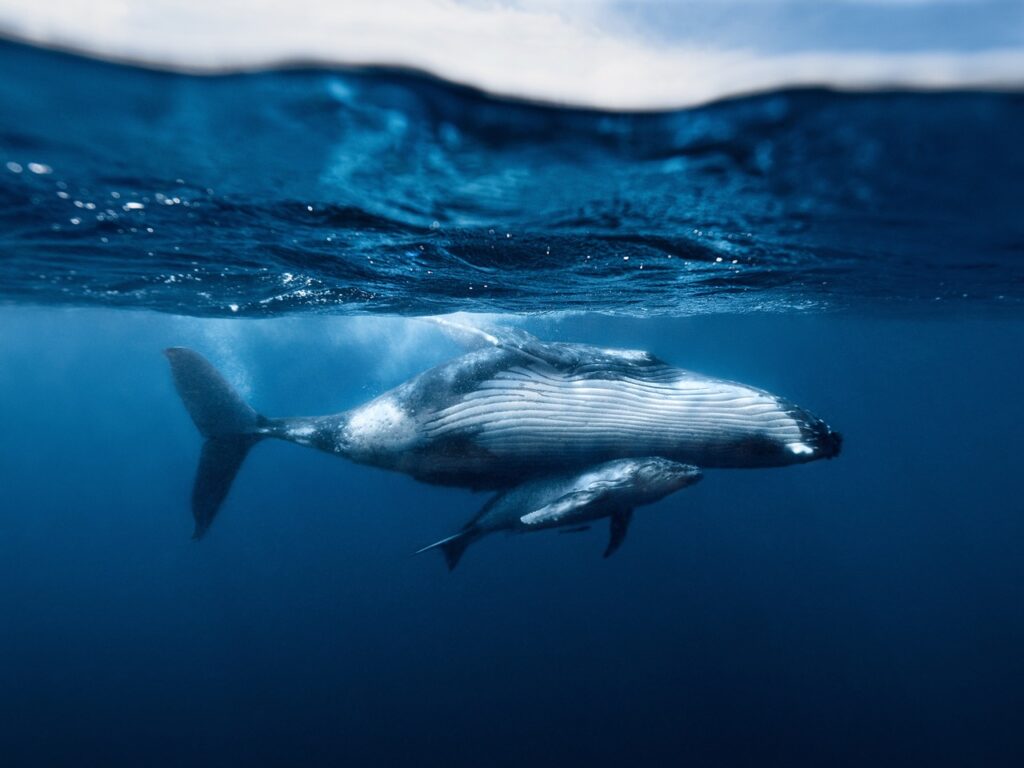
Courtesy Ocean Image Bank – Kurt Arrigo
Take Action
All Caribbean Sailing Association members, sailors, and event organizers are strongly encouraged to:
- Read the Marine Megafauna in Sailing guidelines
- Familiarize themselves with the Quick Start Guides included at the back of the document
- Download and use the Whale Alert App for strikes and sightings
- Encourage crews, volunteers, and race officials to report sightings and incidents
By increasing awareness and strengthening reporting across the region, the Caribbean sailing community can play a leading role in protecting whales, safeguarding our waters, and reducing risks for both marine life and sailors.
The Marine Megafauna in Sailing guidelines are available now via the World Sailing website. Learn more about MMAG and contribute to the Marine Strike Log at mmag.world
Attend the Webinar
There is the World Sailing Marine Megafauna Guidelines webinar, hosted March 18 at 2 PM AST. This is open to all, and is highly recommended for event organizers and sailors to attend to learn about the contents of the guidelines. This is essentially a free marine megafauna risk mitigation briefing, so great for all event organizers to attend.
Sign up here: https://events.teams.microsoft.com/event/0d285a09-451e-43fd-bcd4-e2065ec7e763@dc6f03c6-cb87-43fe-a696-cf514438f6cb