Runners & Riders – 2026 RORC Transatlantic Race
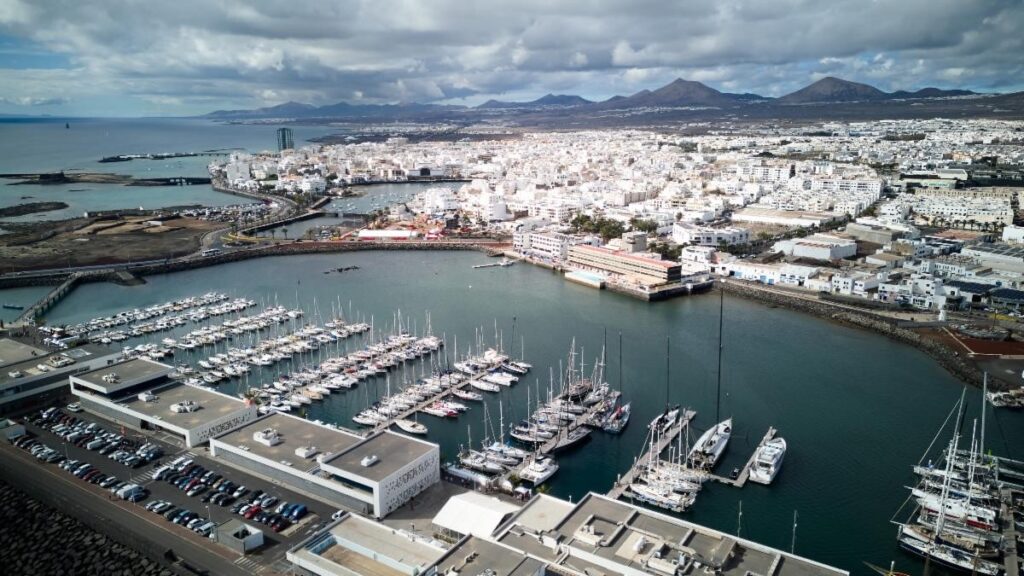
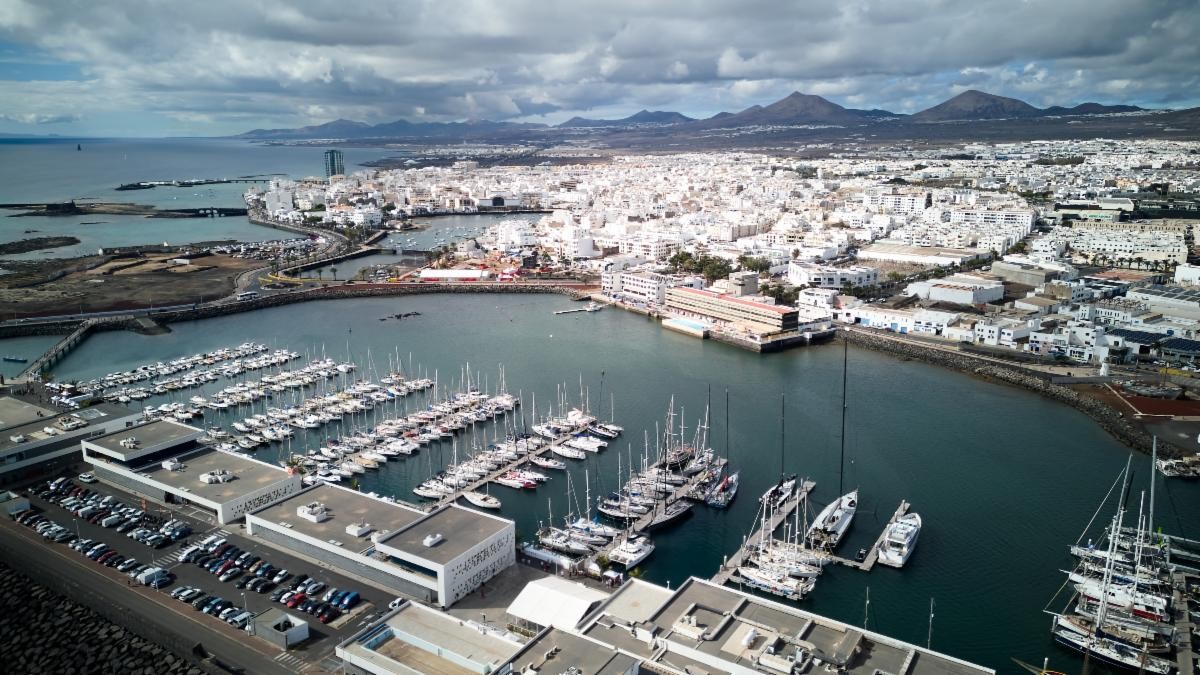
Preparing for the RORC Transatlantic Race at Calero Marinas – Marina Lanzarote ahead of the start on 11 January © James Mitchell/RORC
The 2026 RORC Transatlantic Race is ready to start from Marina Lanzarote on Sunday 11 January. Organised by the Royal Ocean Racing Club in association with the International Maxi Association and Yacht Club de France, the race will see 21 teams take on the 3,000 nautical-mile voyage west across the Atlantic to Antigua.
The event forms not only the start but also a highlight of the 2026 global offshore racing calendar and is supported by key stakeholders including: Calero Marinas and the Antigua and Barbuda Tourism Authority, with trophies across multiple classes and line honours prizes on offer.
RORC Transatlantic Start Details
Sunday 11 January 2026 – Monohulls will line up for the start off Lanzarote’s capital Arrecife at 1230 UTC+0, followed by multihulls at 1240. All boats must round a turning mark off Puerto Calero before heading into the Atlantic Ocean. The fleet is composed of cutting-edge monohulls, high-performance multihulls, performance cruisers and smaller offshore racers. Crew representing 19 nations from around the world will be racing with a wide range of goals, targets and ambitions. While the fastest boats could complete the race in less than 7 days, the smaller boats may take more than two weeks to race to Antigua.
The prestigious RORC Transatlantic Race Trophy is awarded to the overall winner on IRC corrected time, the benchmark measure of offshore racing throughout the world. In addition to overall honours, the IMA Transatlantic Trophy is awarded to the first maxi yacht to finish, and the Multihull Line Honours Trophy goes to the fastest multihull on elapsed time.
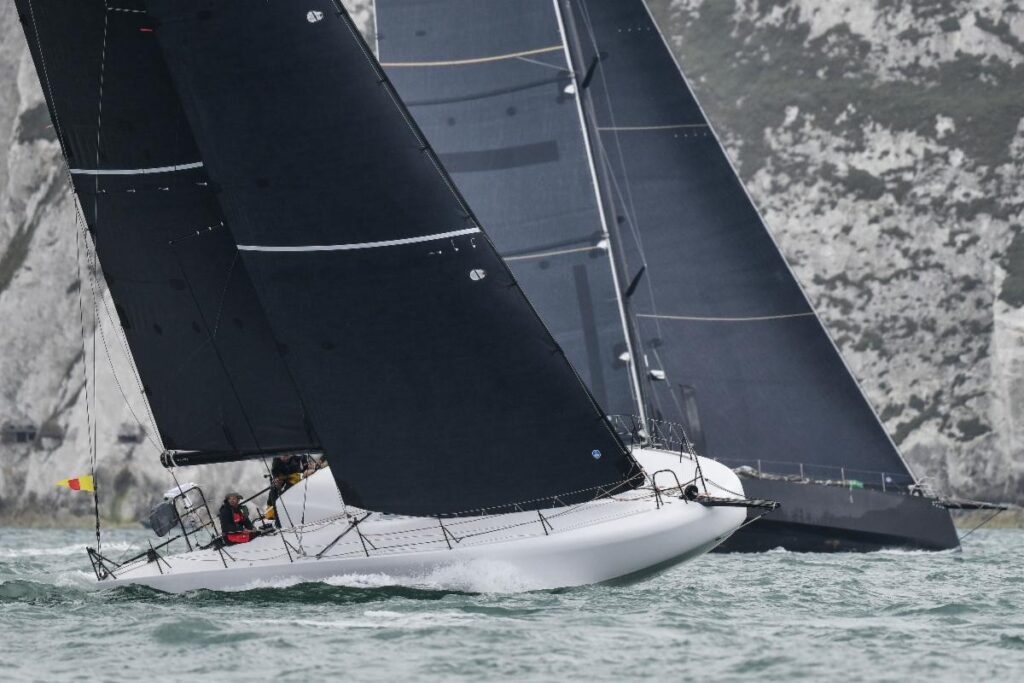
Antoine Magre’s Mach 50 Palanad 4 © James Tomlinson
The Battle for IRC Overall
While line honours contests often dominate headlines, it is the pursuit of the RORC Transatlantic Race Trophy under IRC that drives many campaigns. IRC’s time correction creates a levelling effect where tactical acumen, crew work and rating efficiency matter as much as raw speed. Since the first race in 2014, the overall winner under IRC has varied from the smallest to the largest boats in the fleet. Every monohull is in with a fighting chance of winning the prestigious RORC Transatlantic Race Trophy.
Palanad 4 is a new scow-bow canting-keel 50-footer which arrives with the confidence of a project that knows how to win. Owner Antoine Magre has tasted success in the RORC Transatlantic Race and Rolex Fastnet Race in his previous boat Class40 Palanad 3. “The goal is simple: go as fast as possible,” says Magre. “It comes down to a focused crew, smart weather calls and fully exploiting the boat’s strengths.”
For the RORC Transatlantic Race, strategy and durability are critical. Races of this length expose every detail; routing, sail choice, weather interpretation and crew work. Even seasoned teams relish the opportunity. “A trade wind race in January across the Atlantic is very special for any navigator,” noted Ino Noir’s world class veteran Juan Vila, pointing to the unique tactical dimension of this course.
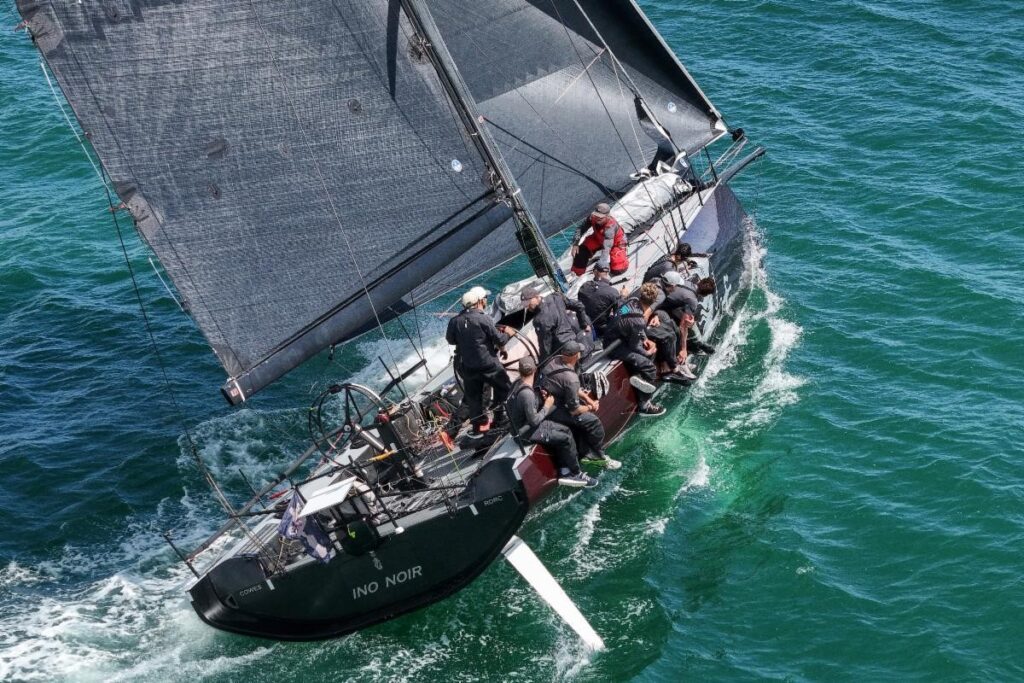
James Neville’s Carkeek 45 Ino Noir © James Tomlinson
Multihull Line Honours: Speed at the Front
At the head of the multihull fleet, all eyes are on the powerful MOD70 trimarans Argo and Zoulou. For over a decade, MOD70 battles have been a feature of the race, a pinnacle of elite offshore multihull performance has been established, dominated by the high-speed “ride of your life”.
“It is a really exhilarating experience to travel that fast across the water, so getting to do that for 3,000 miles across the Atlantic is a thrill the whole time,” said Argo’s Jason Carroll, who will be competing in his third race.
“If it turns into a downwind drag race, we’ll be glued to each other all the way across,” says MOD70 Zoulou’s Ned Collier Wakefield. “The boats are effectively on the same page now, and the latest foils and rudders give huge stability and lift without taking control away. Argo may have had a VMG edge downwind in the past, but after two years of refining rake, load and sail balance, Zoulou has closed that gap. All that work is paying off.”
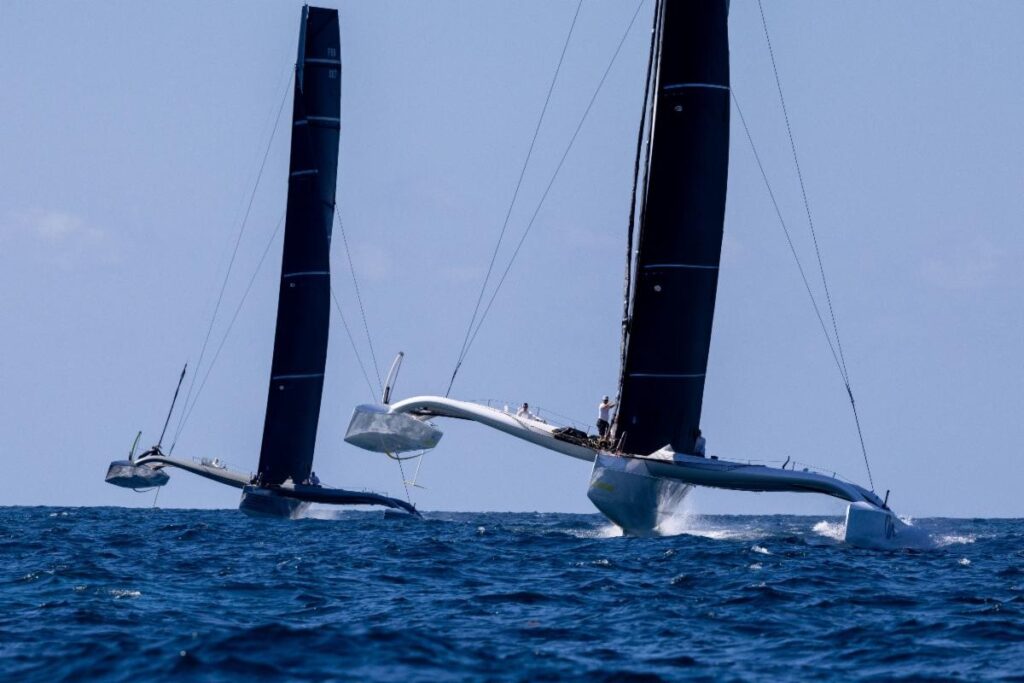
Battle of the MO70s – Erik Maris’ Zoulou and Jason Carroll’s Argo © Tim Wright – Photoaction
Monohull Line Honours: Power with Prestige
A separate and equally compelling chase is on for Monohull Line Honours. In past editions, boats such as the 2025 winner Maxi 88 Lucky have set remarkable monohull records while picking up the IMA Transatlantic Trophy. This year, Baltic 111 Raven is more than likely to set the monohull pace with her radical offshore design. “Although Raven has already crossed the Atlantic twice and logged more than 18,000 nautical miles offshore, the 2026 RORC Transatlantic Race will mark her first competitive transatlantic campaign,” says Raven project manager Klabbe Nylof. “This race is about consistency, resilience and learning how the whole system works under pressure for many days in a row.”
Racing under IRC and for the Superyacht Class Trophy, which is designed for displacement superyachts are Be Cool and Linnea Aurora, the two largest boats in the race.
In her maiden transatlantic race, Swan 128 Be Cool will deliver refined power on a grand scale. Be Cool has serious pace and the ability to reel off big daily miles while remaining supremely civilised offshore.
The 128ft Hoek designed Linnea Aurora has elegant classic long overhangs and a sweeping sheer line, but was actually launched in 2024. She has already shown her pedigree inshore winning races at the Superyacht Cup Palma 2025.
Together, Be Cool and Linnea Aurora show how the RORC Transatlantic Race has become a true proving ground for superyachts that want to race properly across the Atlantic, not simply cross it.
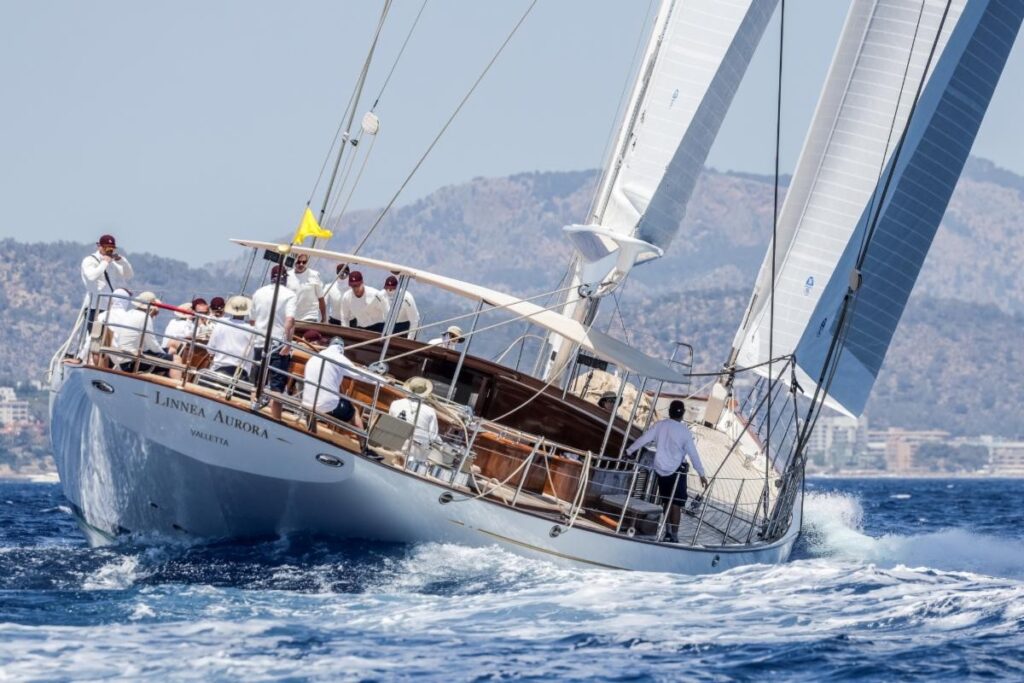
Hoek TC128 Linnea Aurora © Pedro Martinez/Superyacht Cup
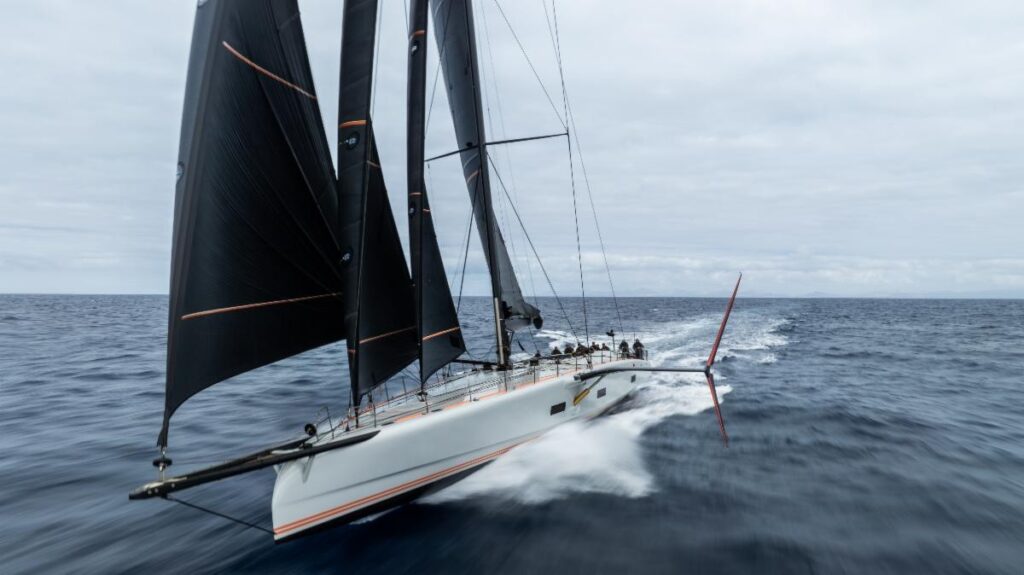
All eyes are set on the Baltic 111 Raven for Monohull Line Honours © Fraser Edwards
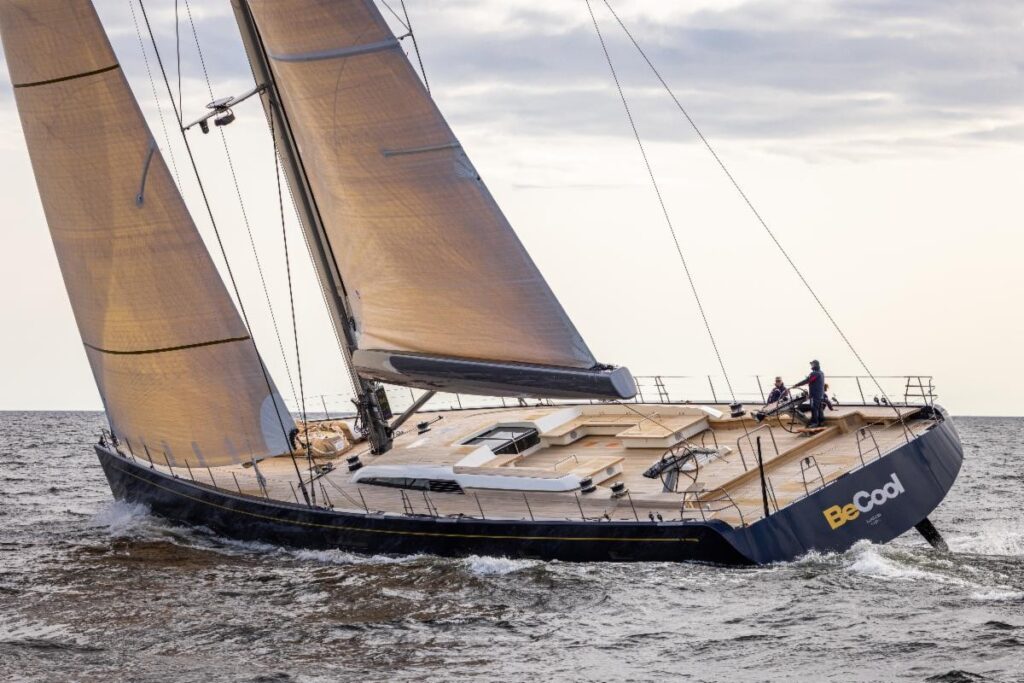
On her maiden transatlantic race – Swan 128 Be Cool © Nautor Swan
Human Stories Behind the Fleet
Across the fleet, personal ambition, adventure and rich sailing culture underpin the quest to the Caribbean. The smallest teams and the largest share a common respect for the ocean and the challenge. Ari Huusela and Annika Paasikivi on Finnish Sun Fast 3300 Stimmy embody this spirit with a philosophy of sailing that transcends pure competition. “Our goal is simple: enjoy the sailing and finish safely,” says Huusela.
Similarly, family legacy looms large for Andrew & Sam Hall’s J/125 Jackknife and Xavier & Alexandre Bellouard’s Lift 45 Maxitude. Youthful ambition and a strive for knowledge drives teams like Walross 4, where a predominantly student crew embraces the Atlantic experience.
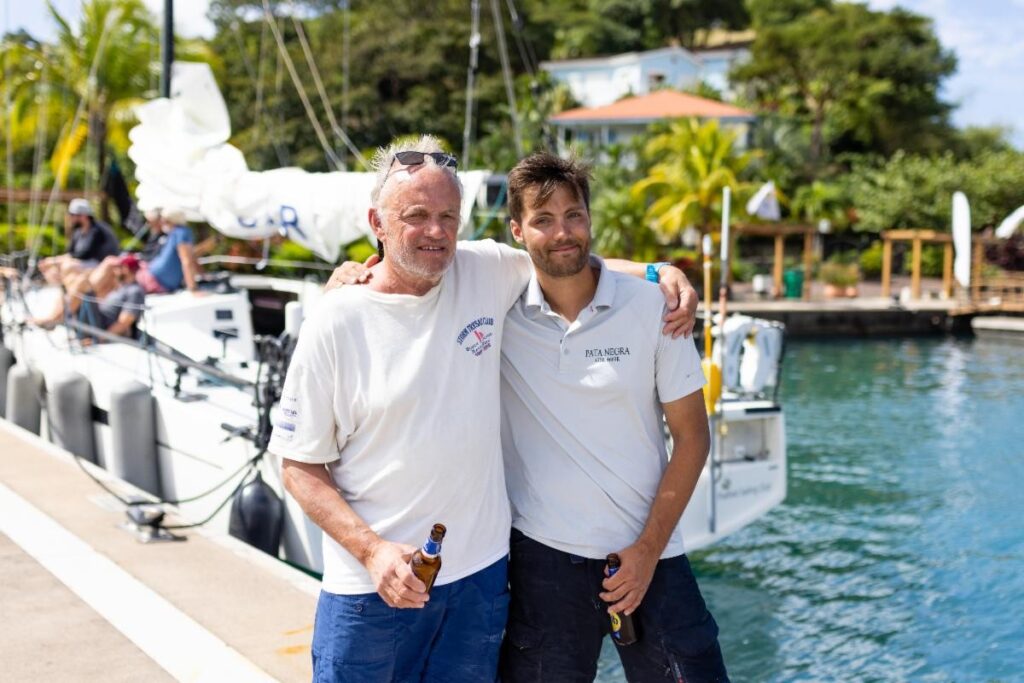
Family legacy looms large – Andrew & Sam Hall will compete on their J125 Jackknife © Arthur Daniel
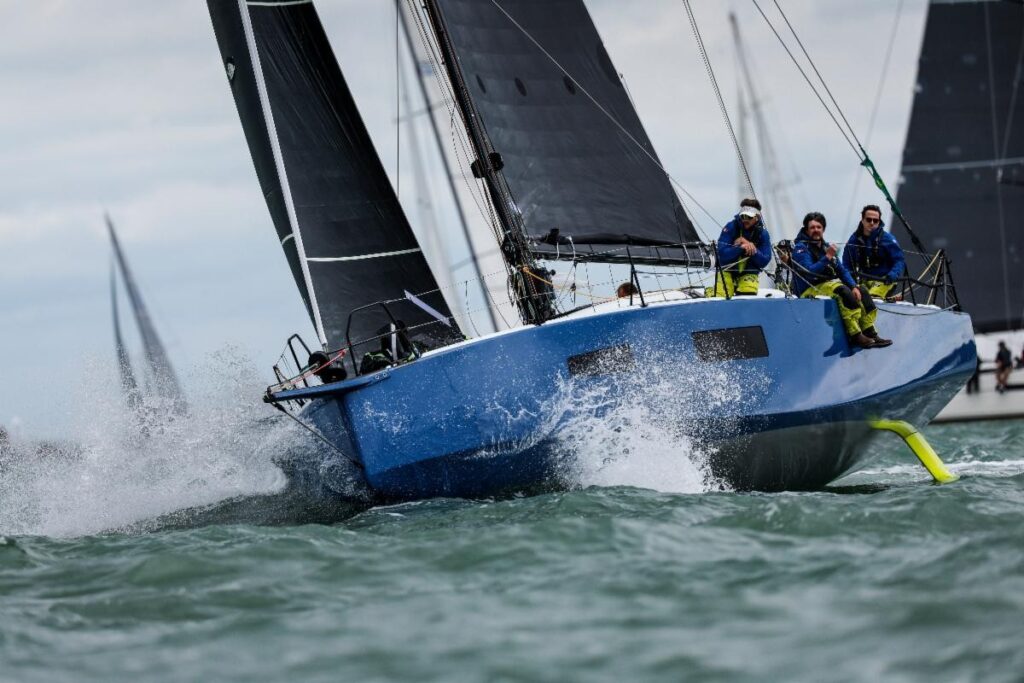
Xavier & Alexandre Bellouard’s Lift 45 Maxitude © Paul Wyeth – pwpictures
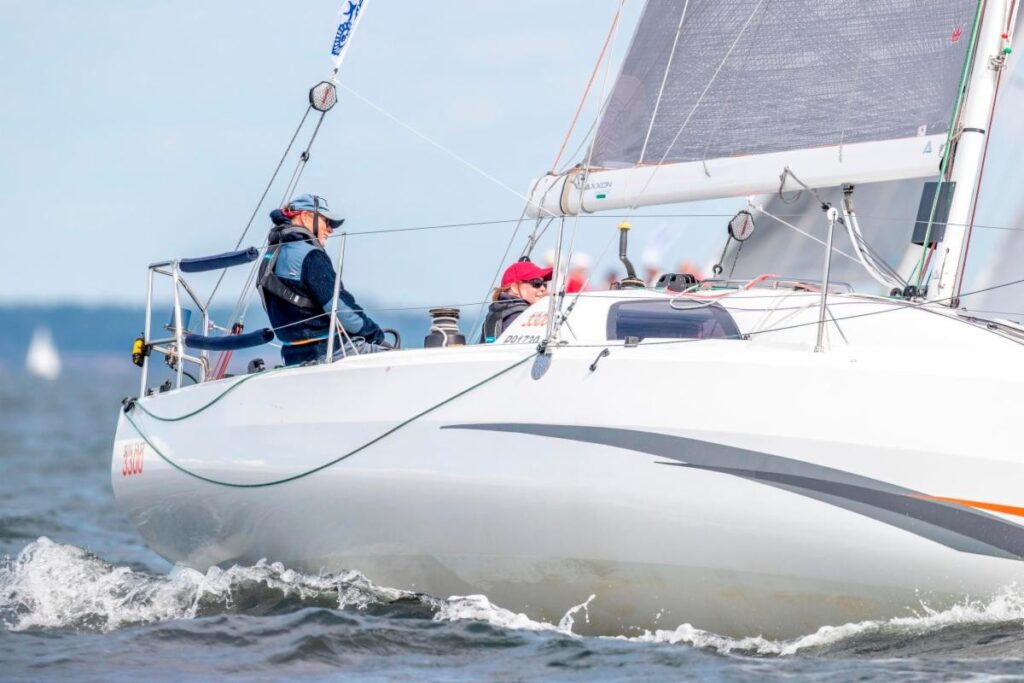
Annika Paasikivi and Ari Huusela on Finnish Sun Fast 3300 Stimmy © Pepe Korteniemi/RORC
A New Destination and New Records in Sight
The 2026 RORC Transatlantic Race will finish in Antigua, opening a new chapter in the history of the race and presenting a genuine opportunity for both monohull and multihull teams to set new elapsed time records. Beyond the race itself, the new destination creates a natural springboard into a full Caribbean racing programme.
Antigua will also host the RORC Nelson’s Cup Series and the RORC Caribbean 600 in February, allowing crews to roll straight from a 3,000 nautical-mile ocean race into some of the most competitive offshore and inshore racing in the region. For teams looking to sharpen performance, refine systems and build cohesion there are few better ways to hone a crew than racing hard for 3,000 miles across the Atlantic before stepping straight into a 600-mile Caribbean classic.
The Race Ahead
With the fleet set to depart from Marina Lanzarote on 11 January 2026, anticipation is high within the offshore community. Whether the battle is for outright speed across the waves, IRC supremacy through tactical excellence, or personal triumph in a long-distance campaign, the 2026 RORC Transatlantic Race promises a rich menu of competition and camaraderie.
Satellite tracking will be available as the race unfolds: https://rorctransatlantic.rorc.org/tracking
For full race details, media resources and more: rorctransatlantic.rorc.org